Digital Marketing Guide for Beginners (2026)
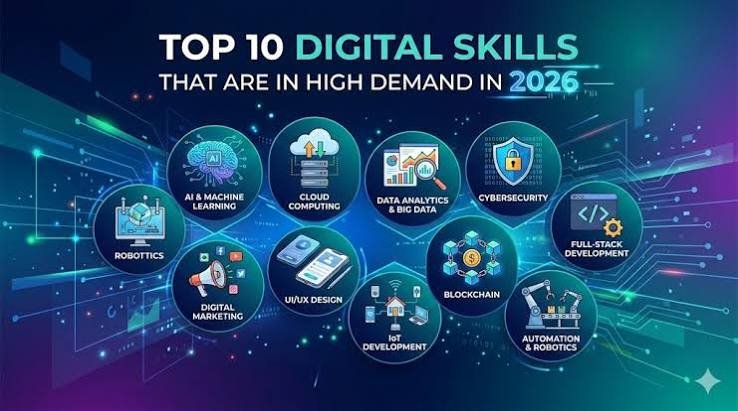
Unlike traditional marketing, digital marketing allows businesses to connect with their target audience through websites, search engines, social media platforms, email, and online advertising. The best part is that you don’t need a huge budget to get started.
In this beginner’s guide, you’ll learn the basics of digital marketing, the main marketing channels, and practical tips to start your journey in 2026.
What Is Digital Marketing?
Digital marketing is the process of promoting products, services, or brands using digital channels such as:
- Search engines
- Websites
- Social media
- Mobile apps
- Online advertisements
The goal is to attract potential customers, generate leads, increase sales, and build long-term relationships with audiences.
Why Is Digital Marketing Important?
Businesses of every size use digital marketing because it offers many advantages:
- Reach customers worldwide
- Lower marketing costs compared to traditional advertising
- Target specific audiences
- Measure campaign performance in real time
- Improve customer engagement
- Generate more sales and leads
As internet usage continues to grow, digital marketing has become an essential skill for businesses and individuals alike.
Types of Digital Marketing
1. Search Engine Optimization (SEO)
SEO is the process of improving a website so it ranks higher on search engines like Google.
Good SEO helps increase organic (free) traffic to your website.
SEO Best Practices
- Research relevant keywords
- Write high-quality content
- Optimize page titles and meta descriptions
- Improve website speed
- Use internal and external links
- Make your website mobile-friendly
2. Content Marketing
Content marketing focuses on creating valuable content that educates, entertains, or solves problems for your audience.
Popular content formats include:
- Blog posts
- Videos
- Infographics
- Podcasts
- E-books
- Case studies
High-quality content builds trust and improves SEO rankings.
3. Social Media Marketing
Social media platforms allow businesses to connect directly with customers.
Popular platforms include:
- TikTok
- X (formerly Twitter)
Successful social media marketing involves posting consistently, engaging with followers, and sharing valuable content.
4. Email Marketing
Email marketing remains one of the highest-return digital marketing strategies.
Businesses use email to:
- Send newsletters
- Promote products
- Share updates
- Offer discounts
- Build customer loyalty
Growing an email list allows businesses to communicate directly with interested customers.
5. Pay-Per-Click (PPC) Advertising
PPC advertising allows businesses to display ads on search engines and websites.
Advertisers pay only when someone clicks their ad.
Popular PPC platforms include:
- Google Ads
- Microsoft Advertising
- Social media advertising platforms
PPC campaigns can quickly drive traffic and generate leads when managed effectively.
6. Affiliate Marketing
Affiliate marketing allows individuals to earn commissions by promoting products or services.
When someone purchases through an affiliate link, the affiliate receives a percentage of the sale.
This model is popular among bloggers, YouTubers, and content creators.
7. Influencer Marketing
Influencer marketing involves collaborating with content creators who have loyal audiences.
Businesses partner with influencers to:
- Promote products
- Increase brand awareness
- Reach targeted audiences
- Build trust through authentic recommendations
Essential Digital Marketing Skills
To become a successful digital marketer, focus on developing these skills:
- SEO
- Copywriting
- Content creation
- Graphic design basics
- Social media management
- Email marketing
- Data analysis
- Video editing
- Communication
- Problem-solving
Continuous learning is important because digital marketing trends change regularly.
Free Tools for Beginners
Several free tools can help you start your digital marketing journey:
- Google Analytics
- Google Search Console
- Canva
- ChatGPT
- Grammarly
- Google Trends
- Keyword Planner
- Mailchimp (Free Plan)
- Buffer
- Ubersuggest (Free Features)
These tools can help you create content, analyze traffic, design graphics, and improve your marketing campaigns.
Common Mistakes Beginners Should Avoid
Many beginners make similar mistakes when starting digital marketing.
Avoid these common errors:
- Ignoring SEO
- Posting inconsistent content
- Targeting everyone instead of a specific audience
- Not tracking performance
- Copying competitors without adding value
- Using low-quality images
- Giving up too early
Success in digital marketing requires patience, consistency, and continuous improvement.
How to Start Digital Marketing
Follow these simple steps:
Step 1
Choose a niche or industry.
Step 2
Create a professional website or blog.
Step 3
Learn basic SEO techniques.
Step 4
Publish valuable content regularly.
Step 5
Build a presence on social media.
Step 6
Start collecting email subscribers.
Step 7
Analyze your results and improve your strategy.
Future of Digital Marketing
Digital marketing continues to evolve rapidly. Some major trends shaping the future include:
- Artificial Intelligence (AI)
- Voice Search Optimization
- Personalized Marketing
- Video-First Content
- Automation
- Short-Form Videos
- Interactive Content
- Data Privacy and Ethical Marketing
Businesses that adapt to these trends will be better positioned for long-term success.
Conclusion
Digital marketing offers endless opportunities for businesses, freelancers, and individuals looking to grow online. While it may seem overwhelming at first, mastering the basics of SEO, content marketing, social media, email marketing, and online advertising provides a strong foundation for success.
Start with one strategy, practice consistently, measure your results, and continue learning. Over time, you’ll develop the skills needed to create effective marketing campaigns, attract customers, and achieve your online goals.
Digital marketing is not just a career skill—it’s a valuable asset for anyone who wants to thrive in today’s digital world.